

Build Surfaces That Handle Traffic and Weather
Concrete and Asphalt Services in Winchester, Wartrace, Shelbyville, Tullahoma, TN and the Surrounding Middle Tennessee Areas
When you need a driveway that doesn't crack under vehicle weight, a parking lot that drains properly, or a walkway that stays level through freeze-thaw cycles in Winchester, Wartrace, Shelbyville, Tullahoma, TN and the surrounding middle Tennessee areas, the material and installation method matter. Concrete and asphalt each offer specific advantages depending on use, budget, and site conditions. Both require proper base preparation, compaction, and finishing to perform as intended. Whether you're paving a residential driveway in Winchester, Wartrace, Shelbyville, Tullahoma, TN and the surrounding middle Tennessee areas or resurfacing a commercial parking area, the work begins with evaluating soil stability, drainage, and expected load.
Bobo Construction & Land Management provides concrete and asphalt services for driveways, commercial parking lots, and paved access areas. We excavate and grade the subbase, install aggregate base material, compact to specification, and pour or pave the surface. The work includes forming edges, setting slopes for drainage, and finishing the surface to meet durability and appearance standards.
If you're planning a paving project in Winchester, Wartrace, Shelbyville, Tullahoma, TN and the surrounding middle Tennessee areas or need to replace failing pavement, contact us to review your site and discuss material options and installation timing.
How Pavement Is Built to Support Loads and Shed Water
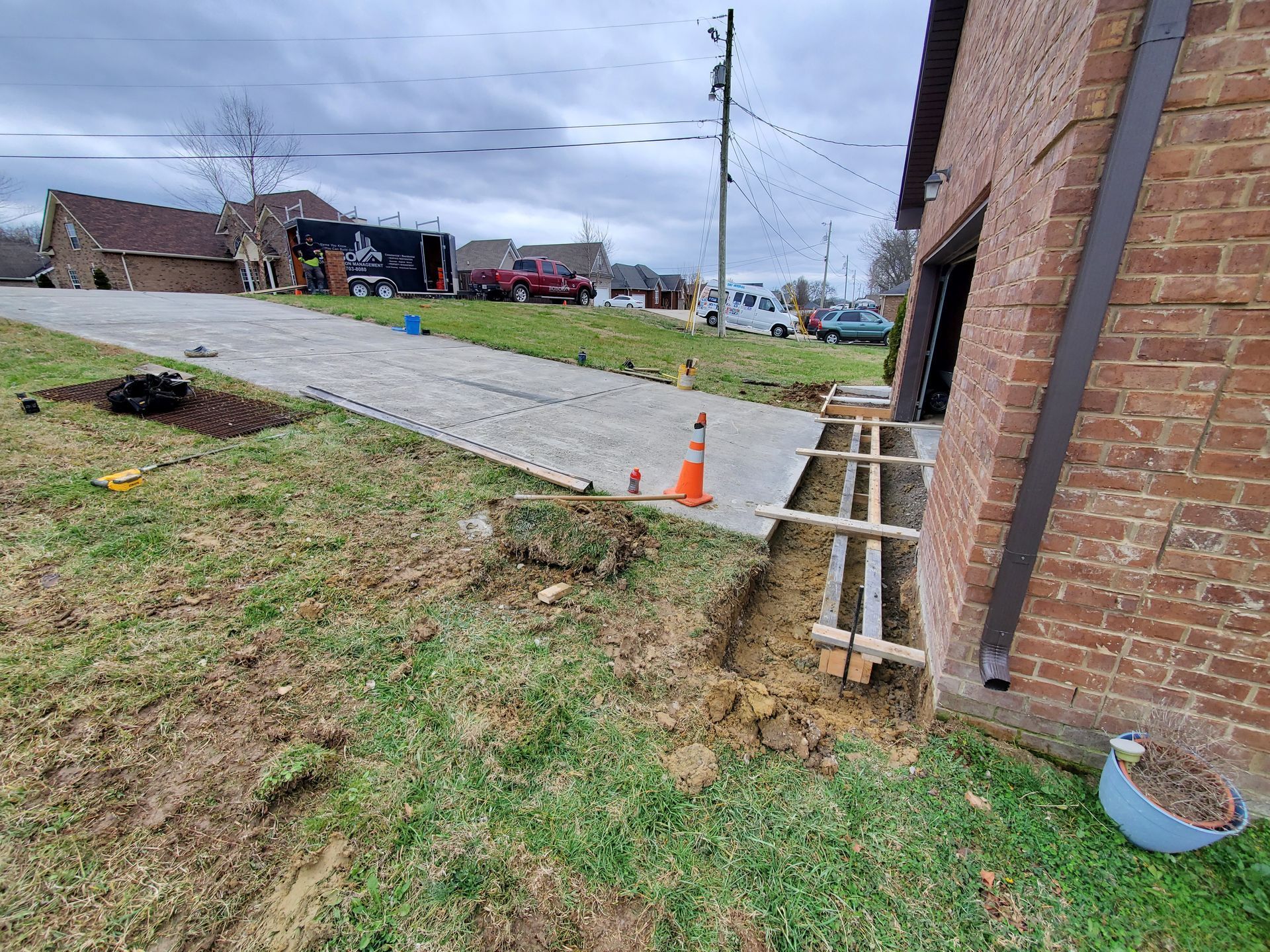
We start by excavating the area to the required depth, then install a compacted aggregate base that distributes weight and prevents settling. In Winchester, Wartrace, Shelbyville, Tullahoma, TN and the surrounding middle Tennessee areas, this typically means four to six inches of crushed stone for residential driveways and six to eight inches for commercial lots, depending on soil conditions and traffic. The base is graded to create a slight slope so water drains toward edges or inlets.
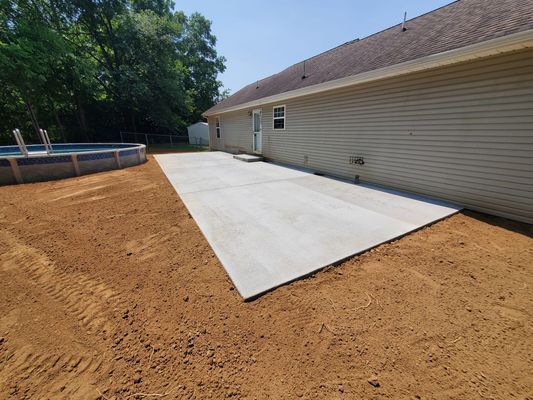
Once the surface is poured or paved, you'll notice water runs off instead of pooling, and the pavement stays level without cracking or sinking at the edges. Concrete is troweled smooth or broom-finished for traction, while asphalt is rolled to a dense, uniform thickness. Expansion joints in concrete and proper compaction in asphalt both prevent cracking as temperatures change.
We use rebar or wire mesh in concrete slabs to control cracking, and apply a tack coat before asphalt paving to bond the new surface to the base. If your project includes curbing, aprons, or transitions to existing pavement, we form and pour those elements to match grade and alignment. This work does not include sealcoating or decorative finishes, but we can refer you to specialists if those services are needed later.
Paving Decisions Depend on Your Site and How You'll Use It
Concrete and asphalt each have strengths and limitations that affect cost, longevity, and maintenance. These questions help clarify what works best for your project.
What is the main difference between concrete and asphalt?
Concrete is more durable and lasts longer, but costs more upfront and takes longer to cure. Asphalt is less expensive, cures faster, and is easier to repair, but requires periodic sealcoating and may soften in high heat.
How long do I need to wait before driving on new pavement?
Asphalt can typically handle light traffic within 24 to 48 hours, though full curing takes several weeks. Concrete requires seven days before vehicle traffic and 28 days to reach full strength.
What causes pavement to crack or settle?
Poor base preparation, inadequate compaction, and drainage problems are the most common causes. Freeze-thaw cycles and heavy loads also contribute to cracking if the base or thickness isn't sufficient for the application.
How thick should the pavement be?
Residential driveways in Shelbyville typically use four inches of concrete or three inches of asphalt over a compacted base. Commercial parking lots may require six inches of concrete or four inches of asphalt depending on traffic volume and vehicle weight.
What happens if the ground underneath shifts?
If the subgrade isn't stable or the base wasn't compacted properly, the pavement may crack or sink. We evaluate soil conditions before paving and remove or stabilize soft spots to prevent future movement.
Bobo Construction & Land Management installs concrete and asphalt surfaces in Winchester, Wartrace, Shelbyville, Tullahoma, TN and the surrounding middle Tennessee areas with attention to base preparation, compaction, and drainage so your pavement performs as intended. If you're ready to pave a driveway, parking lot, or access road,
get in touch
to review your site and material options.