

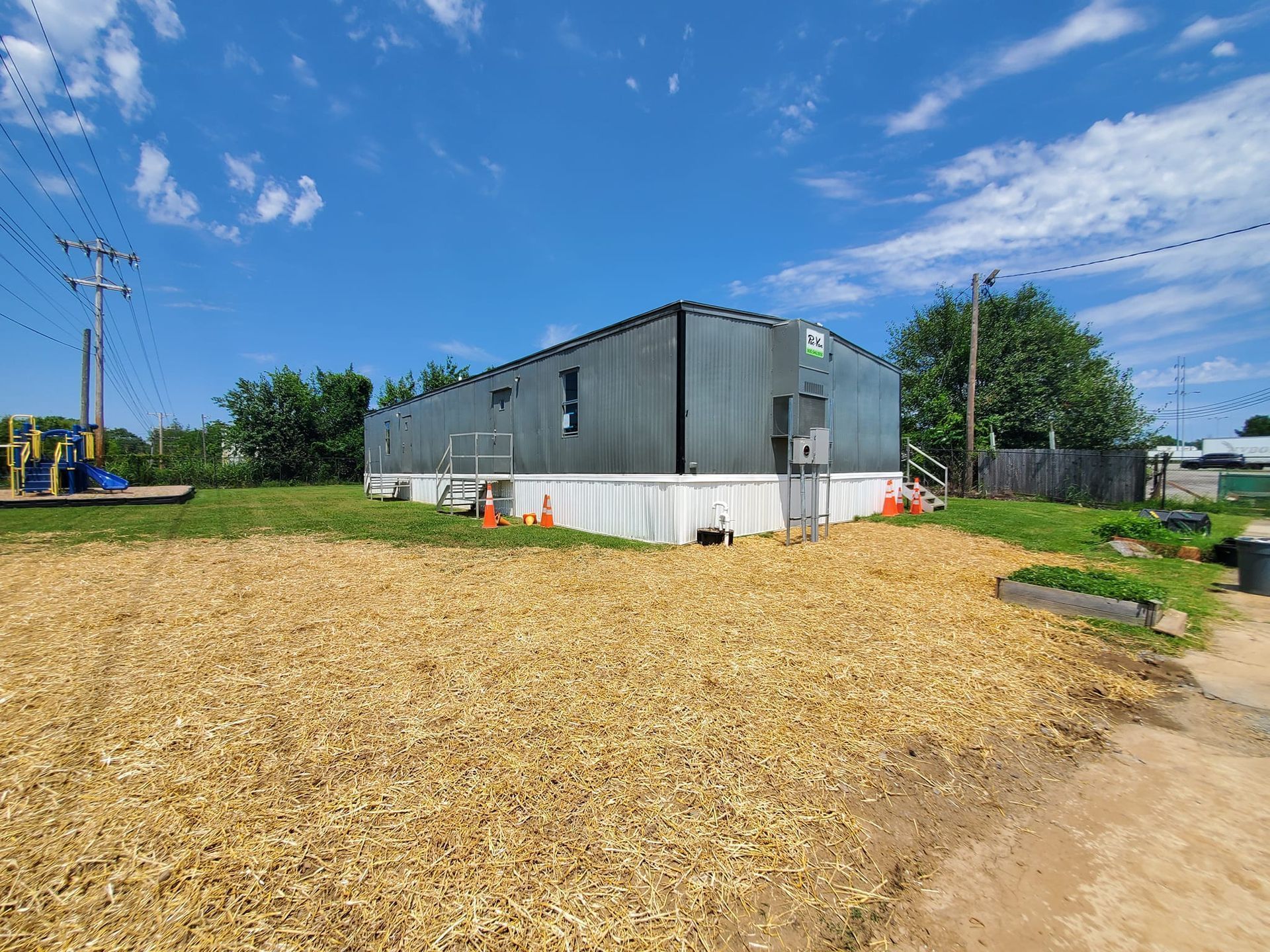
Install Infrastructure That Stays Protected Below Ground
Underground Utility Services in Winchester, Wartrace, Shelbyville, Tullahoma, TN and the Surrounding Middle Tennessee Areas
When you need to route power, water, gas, or telecommunication lines beneath your property in Winchester, Wartrace, Shelbyville, Tullahoma, TN and the surrounding middle Tennessee areas, the work requires careful planning and precision. Underground utility installation protects infrastructure from weather, vehicle traffic, and physical damage while keeping your site clean and accessible. Whether you're connecting a new commercial building in Winchester, Wartrace, Shelbyville, Tullahoma, TN and the surrounding middle Tennessee areas or expanding service to an outbuilding, the lines must be trenched, placed, and backfilled according to depth and clearance standards that vary by utility type.
Bobo Construction & Land Management handles underground utility line services for both commercial infrastructure and telecommunication lines. We trench to the required depth, lay conduit or cable, coordinate with utility providers when needed, and restore the surface once the lines are in place. The work includes locating existing utilities before digging, maintaining proper separation between different line types, and compacting backfill to prevent settling.
If you're planning a build or expansion in Winchester, Wartrace, Shelbyville, Tullahoma, TN and the surrounding middle Tennessee areas that requires new utility connections, contact us to review your site and utility access needs.
How Lines Are Routed and Protected Underground
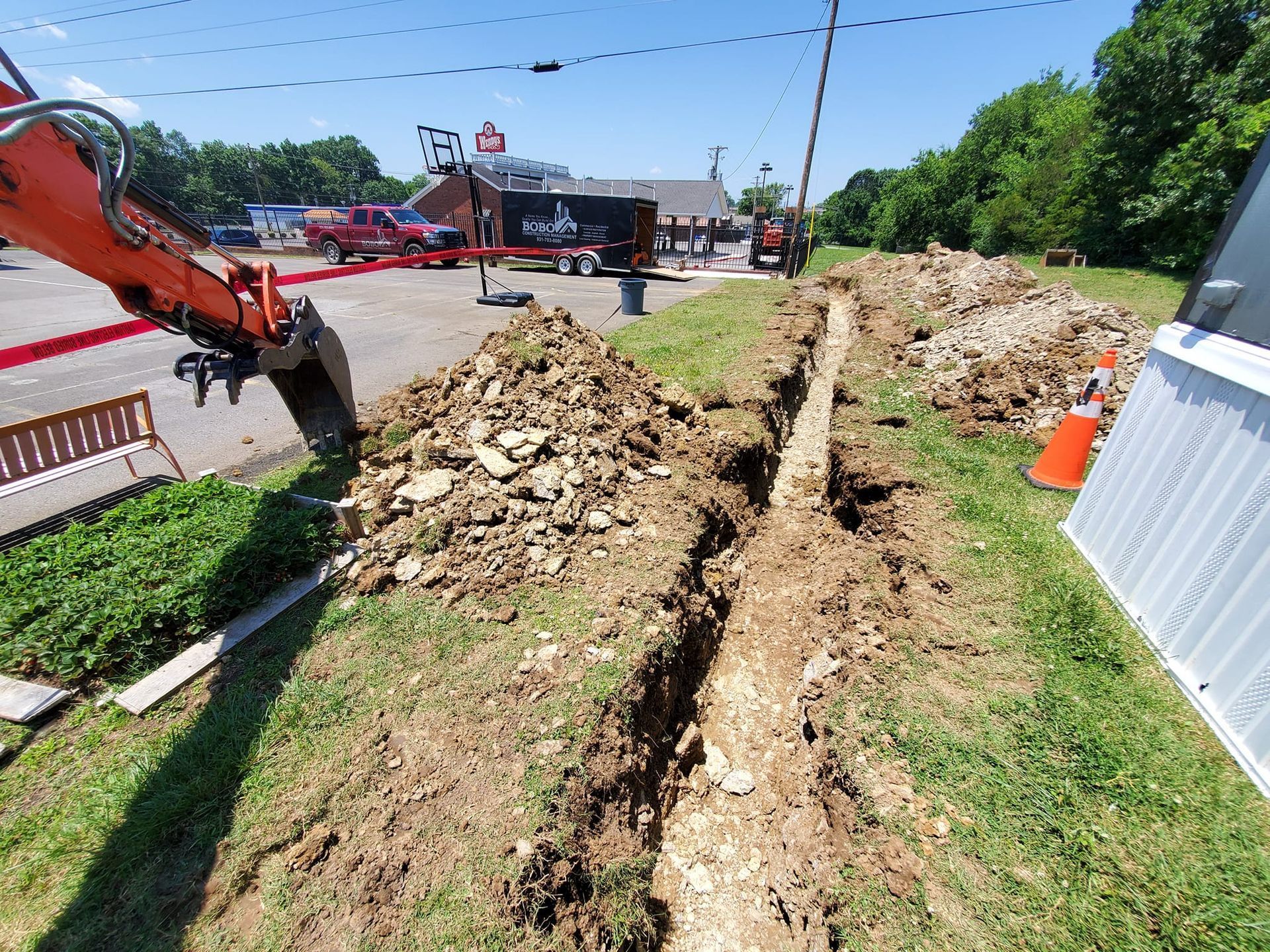
We begin by marking existing utilities using locator services, then excavate trenches to the depth required by local code and the type of line being installed. In Winchester, Wartrace, Shelbyville, Tullahoma, TN and the surrounding middle Tennessee areas, this often means coordinating with multiple service providers to confirm clearance before any digging begins. Conduit is laid in straight runs where possible, with markers placed at turns and junctions.
Once the lines are in place and inspected, you'll notice the trench is backfilled in layers and compacted to match the surrounding grade. The surface is restored so that grass, gravel, or pavement can be reinstated without sagging or erosion over time. Telecommunication lines are separated from electrical and gas to meet safety clearances.
We use trenchers or excavators depending on soil type and trench length, and all work is documented with depth measurements and photos. If your project includes multiple utility types or crosses paved areas, we adjust methods to minimize disruption and maintain structural integrity. This work does not include utility service activation or meter installation, which remains the responsibility of your provider.
It's Normal to Have Questions About What Happens Below Grade
Underground utility work involves coordination, timing, and site-specific details that aren't always obvious from the surface. These questions address the practical concerns that come up before trenching begins.
What depth are utility lines typically installed at?
Depth varies by utility type and local code, but most electrical and telecommunication lines are placed between 18 and 36 inches deep. Gas and water lines may require deeper placement depending on frost line and pressure specifications.
How do you avoid damaging existing lines during excavation?
We request utility locates before any digging begins and use hand tools or vacuum excavation near marked lines. If a line isn't marked or is mislocated, we stop work and contact the provider to confirm placement.
What happens if the trench crosses a driveway or sidewalk?
We saw-cut the pavement, trench beneath it, and restore the surface with compacted base and asphalt or concrete to match the existing grade. The goal is a clean patch that doesn't settle or crack over time.
How long does underground utility installation take?
A straightforward residential trench for a single utility may take one to two days. Commercial projects in Shelbyville with multiple lines, inspections, or site coordination can take a week or more depending on complexity and weather.
What should I do if I need to dig near installed lines later?
Always call for a locate before digging, even if you installed the line recently. We provide as-built drawings showing line placement, but ground shifts and memory fades, so a fresh locate is the safest step.
Bobo Construction & Land Management
coordinates underground utility line services in Winchester, Wartrace, Shelbyville, Tullahoma, TN and the surrounding middle Tennessee areas with attention to code compliance, site conditions, and long-term durability. If your project requires new service connections or infrastructure expansion,
reach out
to discuss your site layout and utility requirements.